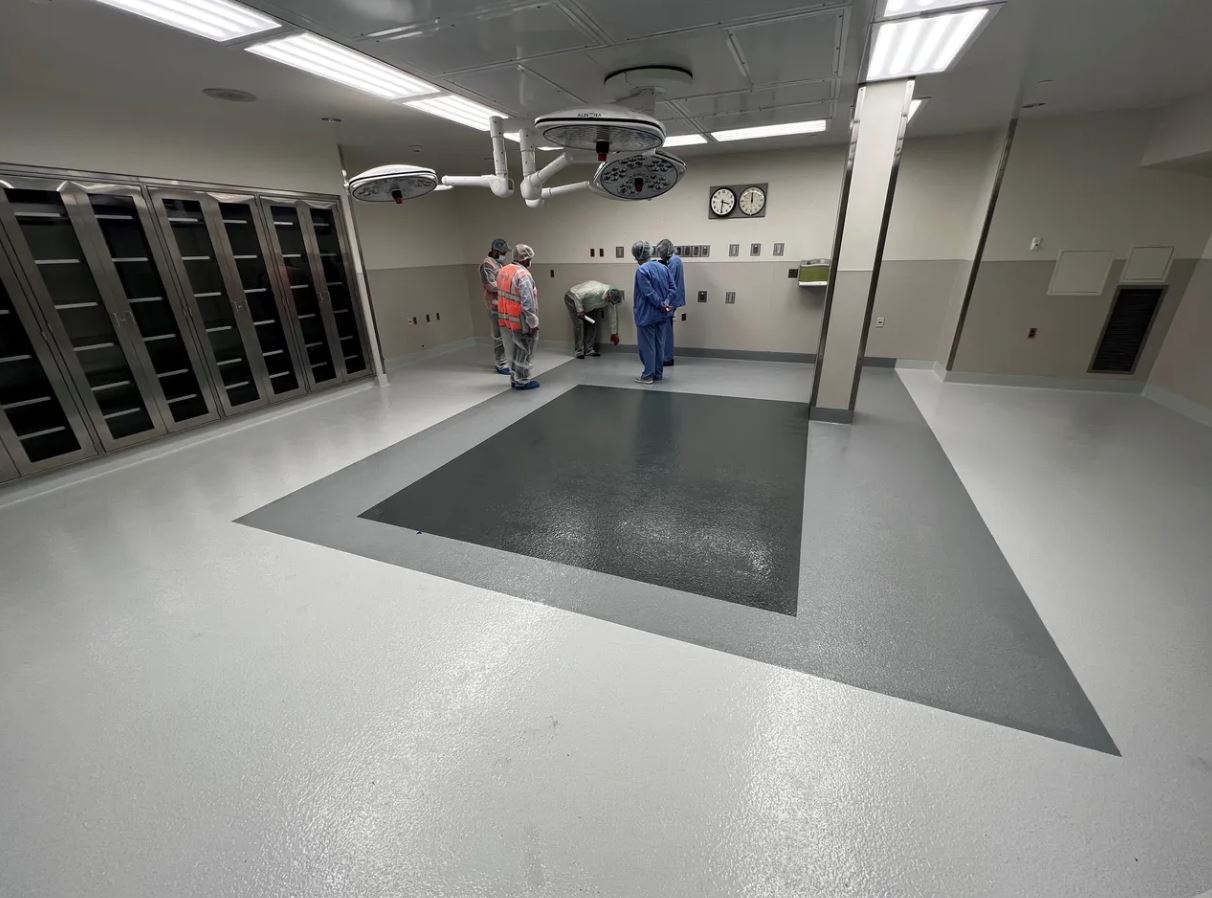
So, you're thinking about resin flooring. That's great. It looks fantastic and holds up really well if you do it right. Think about the awesome, seamless look and how tough it is against wear and tear. But it all starts with what's underneath.
Surface restoration is where you take your worn concrete and bring it back to life. We grind down the old surface and patch up cracks or holes. We create the perfect blank canvas. Why do this? If your concrete isn't prepped right, that beautiful resin floor will have problems.
Think of it like putting new paint on a peeling wall. It might look okay for a bit, but it won't last. Same deal with resin. If you skip the prep, you're looking at bubbles, cracks, and the resin not sticking properly. Nobody wants that, right?
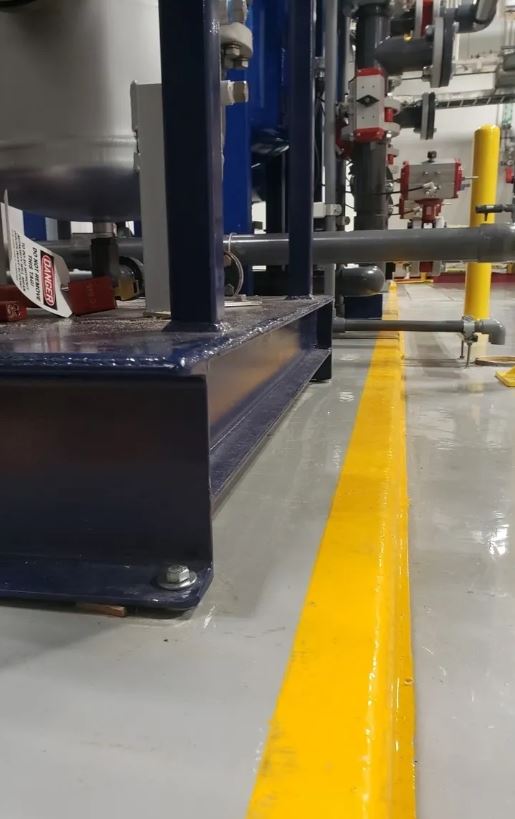
So, what does restoration look like? First, we check the concrete. Is it cracked or crumbling? What shape is it in? Then comes the process: grinding to remove old coatings and imperfections, patching to fill in any damage, and sometimes applying a primer coat to ensure the resin grabs onto the surface. It's not always quick, but it makes sure your resin floor looks amazing and lasts for years. Trust me, it's worth the effort. Especially here in Denver with our freeze-thaw cycles, you want that floor to last.
Let's discuss how to prepare your surface for resin flooring. It's not a one-size-fits-all situation. Different resins, like epoxy and polyurethane, have unique needs. What works for one may be a problem for another.
Epoxy is strong and resists chemicals. If you prepare for self-leveling epoxy, ensure the surface is very clean. It must be free of anything that could hurt the bond. Any oil, grease, or old floor coatings left behind cause problems.
Polyurethane is more flexible. However, it still needs a properly prepared surface to stick and provide the durability you expect. Perhaps it needs a specific primer. Maybe the concrete must be ground down to a certain profile.
You can't apply any resin floor coating without considering what's underneath. If you skip steps or use the wrong methods, you invite trouble. Peeling, bubbling, and premature floor failure are possibilities. Understand the resin you use and what it needs to stick and perform well.
Before you install new resin flooring, examine the existing concrete. Check for cracks, from hairline fractures to larger ones. Note any existing coatings or adhesives because you will need to address these. Moisture testing also matters at this stage. High moisture content can ruin a good resin floor and cause bubbles or delamination. It's better to know what you're dealing with up front.
You've assessed the situation. Now comes concrete grinding. This involves using machines with diamond grinding wheels to remove existing coatings, contaminants, and imperfections. It also helps create a surface profile for the new resin floor to bond to. You want a surface with some "tooth" for the resin to grip. Different diamond grits work based on the surface and the desired outcome.
Did you find cracks? Fix them. Ignoring cracks in the substrate can cause the resin floor to crack as well. There are methods for crack repair. These include epoxy injection, crack chasing, and cementitious patching compounds. The best way depends on the size and nature of the crack. Clean and prep the crack before applying any repair materials to ensure a strong bond.
Sometimes grinding isn't enough to create a level surface. That's where self-leveling underlayment comes in. This is a cement-based mixture poured over the concrete and allowed to flow, which creates a smooth, even base for the resin floor. It fills in low spots and corrects minor imperfections. Prime the concrete before applying self-leveling underlayment to ensure it bonds correctly and doesn't crack later.
Concrete grinding and other surface preparation methods can create dust. This dust can be a health hazard and interfere with the bonding of the resin floor. Use a HEPA-filtered vacuum system to remove dust as you go. You can also use dust containment methods, such as plastic sheeting and negative air machines, to minimize the spread of dust. A clean surface makes for a good resin floor.
Before you install new resin flooring, figure out what you are working with. Closely examine the existing surface. Look for moisture, contaminants, and the concrete's structural soundness.
Here is why: Trapped moisture makes new floors bubble and fail. Oil or grease prevents resin from sticking. Crumbling concrete wastes time and money.
How do you check? Use a moisture meter to get a reading. Look for levels within the resin maker's specs, usually quite low. Also, test pH; alkalinity can affect the resin's cure.
Do adhesion testing. There are several ways to do it, but you must see how well something bonds to the existing surface. If it fails, do prep work, like grinding or patching.
Many contractors skip these steps or do not do them well. This is a mistake. It might save time now, but it causes call-backs and unhappy customers later. Take the time to do it right. It is the base for everything else.
Before you restore a concrete surface, you must clean it. Get it really clean. Remove anything that could prevent the new flooring from bonding.
Dirt, grease, and oil must go. There are several ways to handle this, and the best way depends on what you face.
For grime, power washing works as a first step. It blasts away loose debris and surface dirt. For tougher stuff like grease and oil, you need degreasing. Some cleaning agents break down those contaminants. Choose one that works with concrete and follow the directions.
Solvent cleaning is another choice, especially for stubborn residues. Acid etching involves using a mild acid solution to create a slightly rough surface. That roughness helps the new coating grip the concrete. Be careful with acid etching! Neutralize the acid afterward and rinse the surface. Otherwise, it can cause problems later.
Use the right cleaning agents and equipment. Do not skimp. A clean surface helps create a lasting resin floor. If you skip this or do a poor job, the new floor might fail.
Do you see cracks, holes, or other damage on your concrete? You can't just apply new resin flooring and hope for the best. You must fix those issues first. Otherwise, the damage will show through the new floor. Even worse, it could cause the new floor to fail.
For small cracks, a good concrete crack filler works well. It's like spackle for concrete. Clean out the crack, apply the filler, and smooth it over. Epoxy patching is great for larger cracks or holes. Epoxy is strong and bonds well to concrete. Mix the epoxy according to the manufacturer's directions. Then trowel it into the damaged area. Overfill it slightly, because it will shrink as it cures. Once cured, grind it down so it's even with the surrounding concrete.
For bigger areas of damaged or crumbling concrete, use a mortar repair. This is like replacing a section of the concrete. Chip out the damaged concrete, clean the area, and then apply the mortar. Again, follow the manufacturer's directions for mixing and application.
The key with any of these repairs is to prepare the surface well. Clean it! Remove any loose debris, dirt, or oil. A pressure washer works great here. Also, be sure the repair material works with your resin flooring system. You don't want the repair to fail and ruin your new floor.
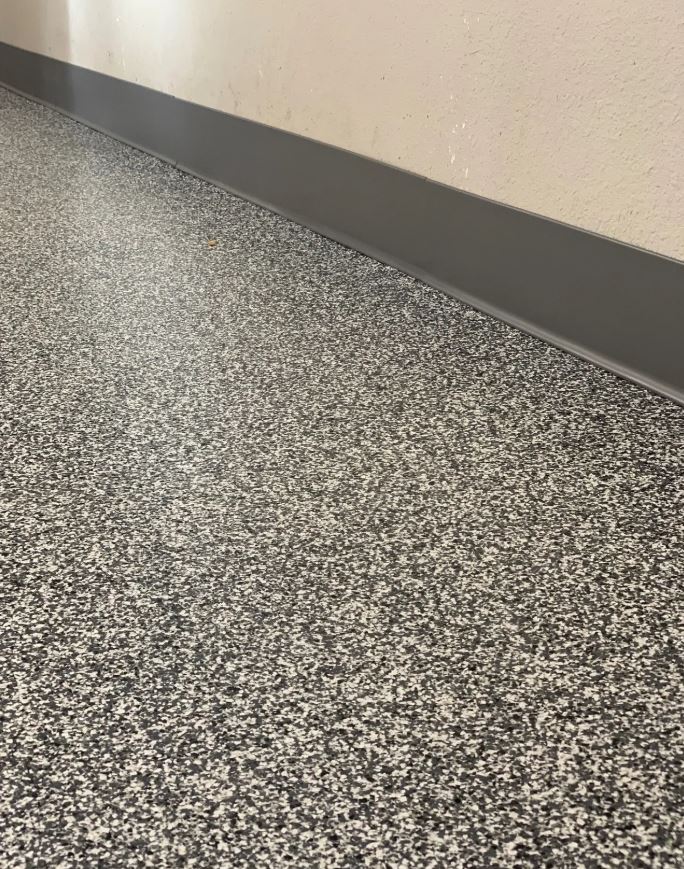
When you work with older concrete, you can't just apply a new resin floor and expect good results. The surface must be prepped correctly. Surface profiling creates the right texture, so the new flooring can bond.
There are several ways to do this. Concrete grinding uses machines with diamond grinding pads to smooth the surface and remove old coatings or flaws. It works well, but it can make dust, so use dust collection.
Shot blasting shoots tiny steel beads at the concrete to remove the top layer. It makes a rougher surface than grinding, which works for some resin floors. It also works for large areas.
Scarifying uses rotating cutters to chip away at the concrete. It's the strongest method, so use it when you must remove a thick coating or level a very uneven surface.
Choosing the right method depends on a few things. What resin floor are you putting in? What's the concrete's condition? If it's a little rough, grinding might work. If it's damaged or coated, you might need to shot blast or scarify. If you skip this step, the new floor won’t stick and will fail.
After surface prep like grinding, patching, and cleaning, you must prime and seal the concrete. Think of it as the last step before you install the new resin floor.
Priming has a few main benefits. First, it helps the new flooring stick to the concrete. Concrete is porous, so primer soaks in and creates a better bond. Second, some primers block moisture. Concrete can pull moisture from the ground, which can ruin your new floor. Epoxy primer often works for this.
Then comes the sealer. A concrete sealer seals the surface. This keeps anything from seeping into the concrete and hurting the new floor's adhesive. It also helps make a uniform surface, which matters for the final look.
How you put it on matters. Usually, you roll or spray the primer and sealer. Follow the directions exactly. Use the right amount, and get even coverage. A common mistake involves not letting the primer or sealer dry before applying the next coat or the flooring. If you rush, you will get bubbles or peeling, and the floor will not last.
When you get ready to prep a surface for resin flooring, you need the right tools. It's more than slapping some epoxy down and hoping for the best.
First, a concrete grinder is key. This helps you smooth rough spots and remove old coatings. It also creates a surface the new resin can grab. Get one with a good dust collection system. Concrete dust gets everywhere, and it's not good to breathe.
Next, think about a shot blaster. This machine uses tiny steel or iron beads to blast the surface. It's great for tough coatings or contaminants, and it creates a great surface. But shot blasting can be too much for some jobs, so check the surface first.
You also need a heavy-duty vacuum cleaner. Not your household vacuum. You need something with a powerful motor and a HEPA filter to suck up all that concrete dust.
Safety gear is a must. Always wear safety glasses. Concrete dust and flying stuff can hurt your eyes. And wear respirators. Those tiny particles can mess up your lungs. Protect yourself. It’s worth it.
Don't skimp on the prep work. If you don't do it right, your new resin floor will peel and crack fast. I've seen it.
Let's talk about messing up surface prep. It happens. Knowing what to look out for can save you headaches and money.
One common issue is **inadequate cleaning**. People think a quick sweep works. It doesn't. You must get rid of everything: dirt, grease, old coatings, and anything that will stop the new resin from bonding. If you don't, the resin won't stick, and you'll get peeling or bubbling. Use the right cleaners and a degreaser, depending on the floor's condition.
Another big mistake is **improper grinding**. Grinding is key to creating a surface the resin can grab. If you use the wrong grit or don't grind evenly, you're asking for trouble. Too smooth, and the resin slides off. Too rough, and you'll use too much product trying to fill gaps. Get the right diamond grinding tools and take your time.
Finally, **insufficient profiling** is a problem. This means not creating enough texture for the resin to bond to. Think of gluing something to glass. You need a profile, a bit of roughness. If you skip this or don't do it right, the resin won't adhere, and your floor will fail. Make sure you create the right surface profile for the resin system you're using. They're not all the same!
You have surface restoration work to do. Can you handle it yourself, or do you need a flooring contractor? Each choice has pros and cons.
DIY saves money at first. But think about how hard the job is. Is it a small garage floor with a few cracks, or a large space with major damage? Complex projects often need tools like heavy-duty grinders and the skill to use them. Patching concrete can be tricky. If you do it wrong, your new epoxy flooring could fail early.
A pro brings experience. They know how to assess damage, pick the right stuff, and do the work well. This matters if you have old or dirty concrete. The resin flooring price will be higher at first. But think about the cost of mistakes, wasted stuff, and rework if you try DIY and fail. Sometimes, paying for skill saves money later and makes sure you get a floor that lasts. It depends on your skill, the project size, and how much risk you can handle.
Let’s discuss surface restoration. It matters, especially with older concrete. Think of it this way: you wouldn't build a house on a shaky foundation, right? The same is true for resin flooring.
We've seen some great changes, and prep work is key. We did a commercial flooring job in a warehouse with years of oil stains and cracks. We started by grinding the surface to remove the old gunk and create a clean, even base. Then, we patched the cracks with a concrete repair mortar. Finally, we applied a self-leveling underlayment. This gave us a smooth surface for the new epoxy flooring. The result? A durable, easy-to-clean floor that will last.
Another time, we worked on a residential flooring project where the concrete slab had moisture issues. Ignoring that would have been a problem. We applied a moisture barrier coating before the resin. Without it, the resin would have bubbled and peeled.
Surface restoration can involve steps, starting with an assessment of the concrete's condition. Grinding, patching, and applying coatings are common. It's not always the cheapest part, but it is worth it. Skipping this step means you'll end up with a floor that fails.
After mechanical preparation, meticulously clean the floor to remove all dust and debris. Vacuuming is essential, and solvent wiping may be necessary to eliminate any lingering contaminants. A clean surface is critical for optimal resin adhesion and a flawless finish.
Employ mechanical methods such as grinding, shot blasting, or scarifying to create a suitable surface profile. These techniques remove existing coatings, laitance, and contaminants. A properly roughened surface provides the necessary key for the resin to adhere effectively.
Before applying any resin flooring, thoroughly inspect the existing substrate. Look for cracks, damage, or contamination like oil or grease. Proper assessment ensures the resin bonds correctly, preventing future failures and ensuring a long-lasting, durable surface.
You have a resin floor. Nice! Like any floor, it needs care to look good and last. Think of resin floor maintenance as preventative care. A little effort now saves you headaches (and costs) later.
First, regular cleaning matters. Sweep up loose dirt often. Then, use a good epoxy floor cleaner. Don't grab any cleaner! Some chemicals can harm resin. Read the label to ensure it's safe for your floor. Mop with warm water and the right cleaner. Simple.
What about scuffs? They happen. For minor issues, simple cleaning works. For deeper scratches, think about floor polishing. You can buy DIY kits, but for results, hire a pro. They have the right tools to polish without harm.
People forget to protect floors from heavy items. Use mats under furniture, and avoid dragging heavy things. If you spill, clean it fast! Some liquids stain if they sit too long.
Ignore these tips? Your floor will look dull. Scratches add up, and stains set in. You'll face repair or replacement. A little maintenance helps!
Surface restoration matters. You might not start with new, clean concrete. You might have wear, cracks, or old coatings to remove. Ignoring this step spells trouble. Your new resin floor won't last if the base isn't solid.
What does restoration include? First, assess the surface. Look for cracks, damage, and old coatings. Then, grind the surface to remove old things and make a smooth base. Patch cracks and divots. You can't pour resin over flaws and expect a great finish. It doesn't work that way.
Often, we apply a concrete coating or primer to prep the surface. This improves grip and stops moisture issues. Basements or damp areas need this. It's a multi-step thing, and skipping steps hurts the final result. If you get it wrong, you’ll see peeling, bubbling, and a floor that doesn't last. Nobody wants that.
Careful surface prep makes a durable, beautiful resin floor. Otherwise, you risk failure. Want to start the right way? Contact a Denver flooring expert today for advice and a free price quote. We'll check your surface and make a plan to ensure your new floor looks great for years.
Concrete Grinding and Honing: Performance Standards and Specifications